Keeping a Cedar Fence Alive Through a San Antonio Summer
Cedar has a head start on rot and insects, but Texas summers still decide how long it actually lasts.
September 2, 2026 · 3 min read
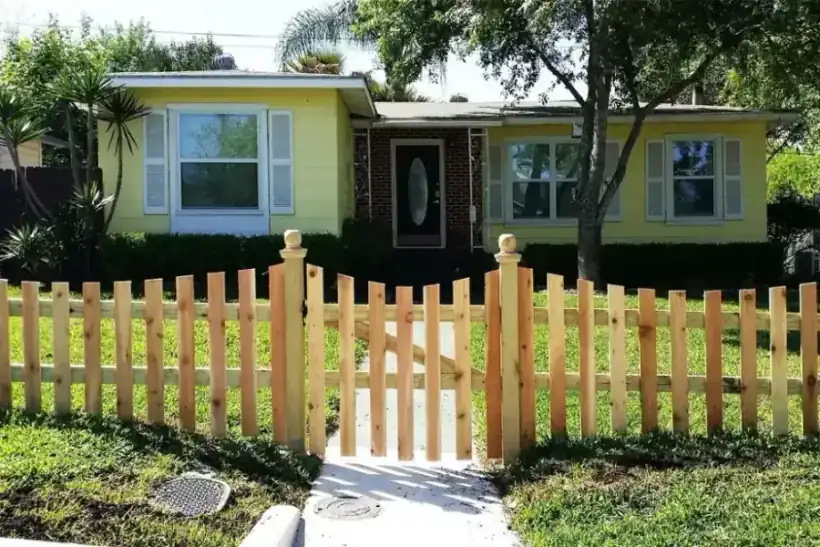
New cedar looks the same everywhere it goes up. Two summers later in San Antonio it doesn't, because 100-degree days and long stretches without rain pull moisture out of the wood faster than a cooler climate ever would, and that's when sealing habits start to show.
Why cedar is the wood most people pick, and what that doesn't guarantee
Cedar is one of the woods Aztec Fence & Ornamental Iron points customers toward for longevity, along with redwood and pressure-treated pine. It carries natural oils that resist rot and insects better than pine, cypress or spruce straight off the mill. That's a real advantage, not a marketing line, but it's a head start, not a finish line. Untreated cedar left to sun and heat will still gray, crack and cup over a few Texas summers if nobody seals or stains it.
Sealing and staining on a schedule that matches the climate
A cedar fence in a milder climate can go longer between coats. San Antonio's summer sun and swings between soaking rain and weeks of drought are harder on wood, so a fence here needs attention more often than the same fence would somewhere gentler. A semi-transparent stain with UV protection does more for cedar than a clear sealer alone, because the UV inhibitor is what actually slows the graying and cracking, not just the water repellency.
Signs it's time to reseal, not signs it's already too late
- Water beads and rolls off freshly sealed wood; once it starts soaking in instead, the seal is worn through
- Graying that's even across a board is weathering, not rot, and stain will usually bring the color back
- Soft, spongy spots near the ground are a different problem and usually mean the post base or bottom rail needs attention, not just a fresh coat
- Cracks that run with the grain are normal seasonal movement; a crack that splits a board is a repair, not a maintenance item
Catching the first sign, water no longer beading, is the cheap moment to act. Waiting for the last one, a split board, turns a sealing job into a repair job.
What actually damages unsealed cedar fastest here
Heat alone isn't the only thing working against unsealed cedar in this climate. Wood swells when humidity spikes after a storm and shrinks again through the dry stretch that follows, and that repeated movement is what actually opens cracks along the grain over time, more than the heat by itself. Fasteners matter too: galvanized or stainless screws and nails resist rust, but standard steel ones will streak a board with rust stains within a season or two here, long before the wood itself is in real trouble.
Gates take more wear than the fence line around them
A cedar gate takes more abuse than the panels next to it, because it's the one part of the fence that moves every day. Hinges carry the gate's weight through heat expansion and contraction, and a gate that binds in August humidity and swings a little loose in a dry January isn't a sign the wood failed, it's normal seasonal movement that a slightly generous gap or an adjustable hinge accounts for. Sealing the gate at the same time as the rest of the fence matters more than it might seem, because a gate left unsealed while the fence gets attention will show wear first.
Rot and insects: the part sealing alone doesn't fully solve
Sealing slows moisture and UV damage, but it doesn't stop every insect or remove rot risk at ground contact, where a post sits wet longer than the rest of the fence after a storm. Pressure-treated posts, or a cedar post set on a gravel or concrete footing that keeps end grain off wet soil, matter more in Bexar County's clay, which holds water around a post base longer than sandier ground would. Termite and carpenter ant pressure is real in this part of Texas too, and a fence base that stays damp because of poor drainage is exactly the kind of wood pests look for first. Fence lines set into clay need that drainage thought through at install, not fixed after the fact.
A realistic maintenance rhythm
Most cedar fences in this climate do well on a rough two-to-three-year sealing cycle, checked yearly for the early warning signs above rather than waited out on a fixed calendar. A fence facing full west sun will need it sooner than one shaded by a house or trees most of the day. The species buys time. The sealing schedule is what actually spends it well.
Aztec Fence & Ornamental Iron — (210) 433-8932
Call (210) 433-8932More articles
Wrought Iron, Wood or Chain-Link: Choosing a Fence Material in San Antonio
The ground under a San Antonio property usually settles the material question before style ever gets a vote.
What Actually Goes Into a Custom Gate
A custom gate starts as a conversation about the property, long before anyone touches steel.